Smile Factory služby

What services do we offer?

Initial examination
Treatment plan
Dental hygiene
Air flow
Teeth whitening
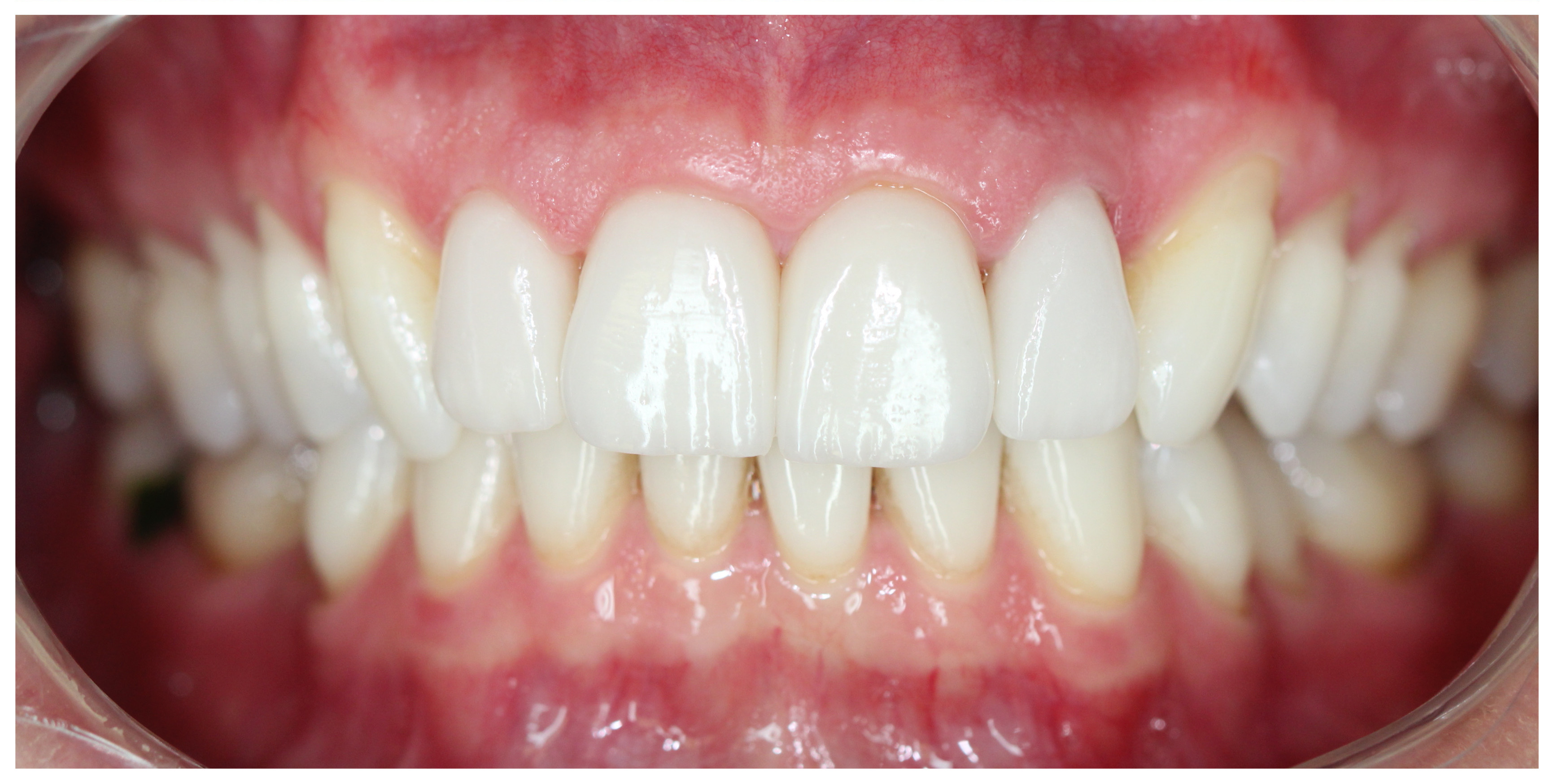
Aesthetic dentistry

and much more
Complete price list

Prices were calculated by an authorised company in accordance with current regulations.

Book now

Dental office

Vstupní konzultace a stanovení léčebného plánu 2 000 Kč
Preventivní prohlídka Zdarma
Intraorální/panoramatický rtg snímek (OPG) Zdarma
Bílá fotokompozitní výplň 1 590–3 490 Kč
Dostavba zubu 4 090 Kč
Anestezie intraligamentární 290 Kč
Dostavba zubu před (re)endodoncií 1 890–2 890 Kč
Endodontické ošetření kořenových kanálků 2 990–6 190 Kč
Reendodontické (opětovné) ošetření kořenových kanálků 3 790–7 290 Kč
Léčebná kořenová výplň 790–1 390 Kč
Keramická korunka, fazeta – E-max 12 290 Kč
Keramická onlay, overlay 10 190 Kč
Kompozitní onlay, overlay 9 590 Kč
Zirkonová korunka 9 590–11 190 Kč
Implantace – zavedení implantátu (dle typu) 18 900–21 900 Kč
Korunka na implantát 15 490 Kč

Dental hygiene

Vstupní dentální hygiena 1 990 Kč
Recall dentální hygieny 1 790–1 890 Kč
Dentální hygiena dítě do 10 let 990 Kč
Ošetření citlivých zubních krčků / kvadrant 390 Kč
Domácí bělení 5 990–6 490 Kč
Kombinace domácího a ordinačního bělení (systém Purewhitening) 9 890 Kč

Split the payment for your planned procedure with ESSOX!

more info

How does the initial examination work?

1

filling in the initial questionnaire

2

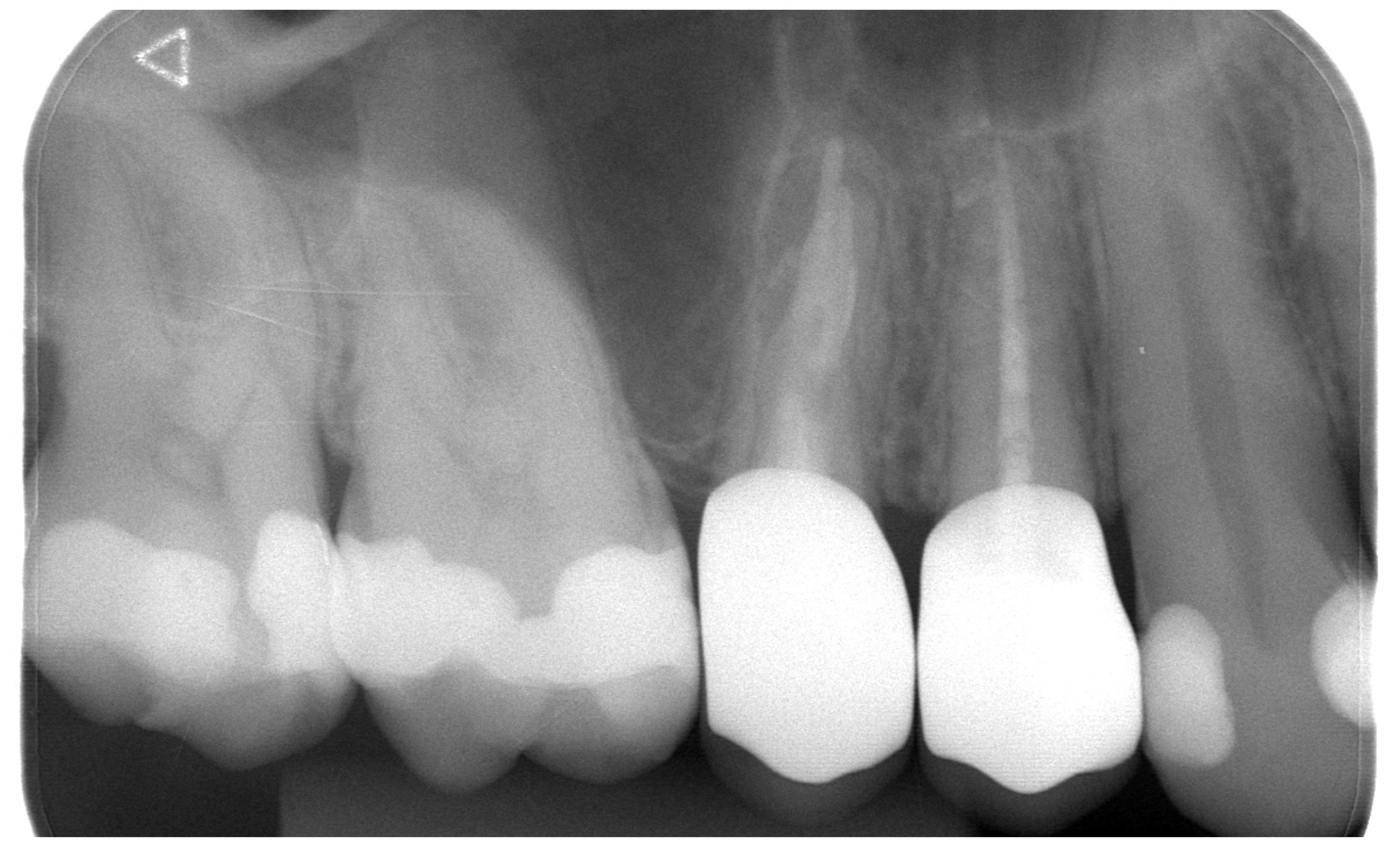
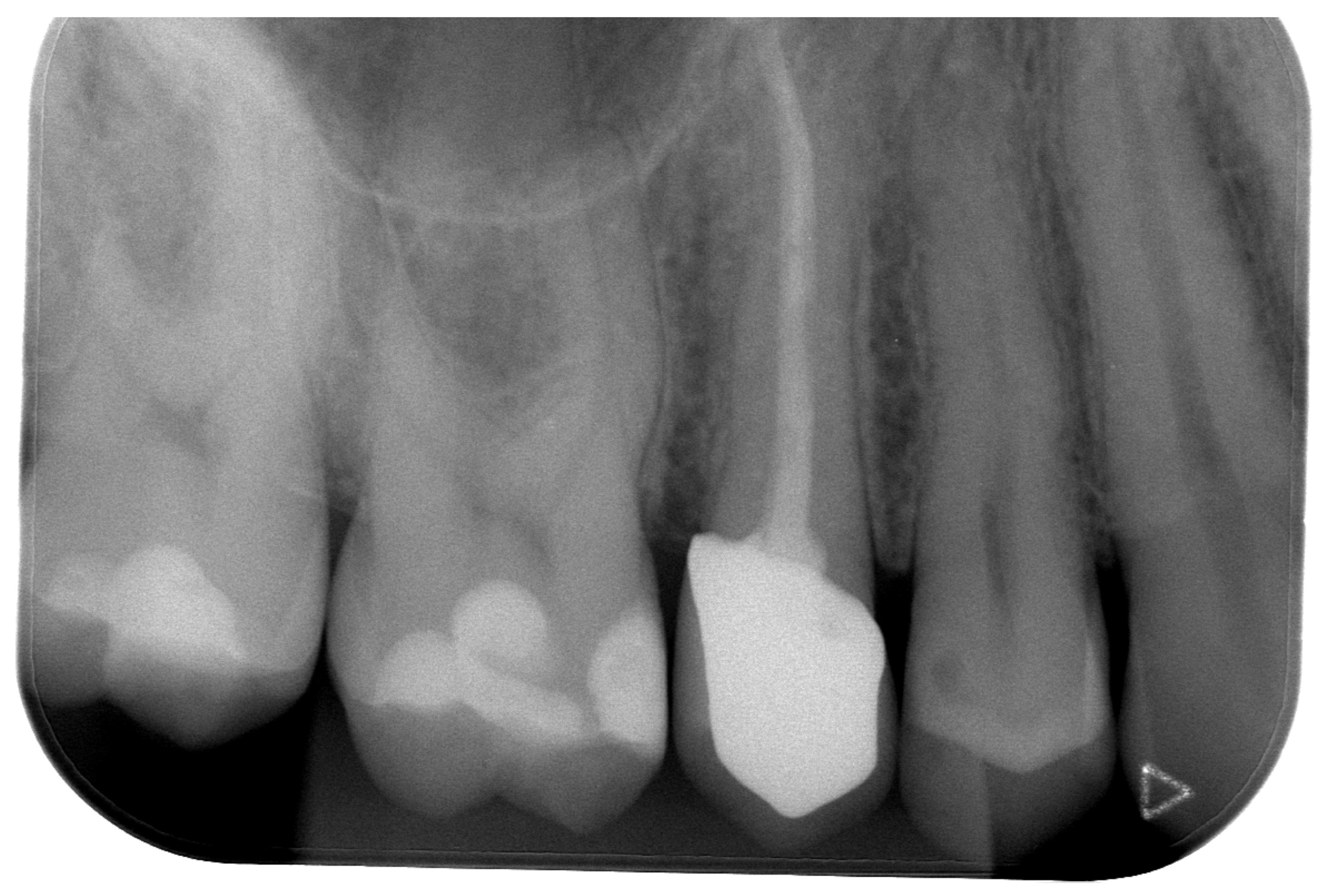
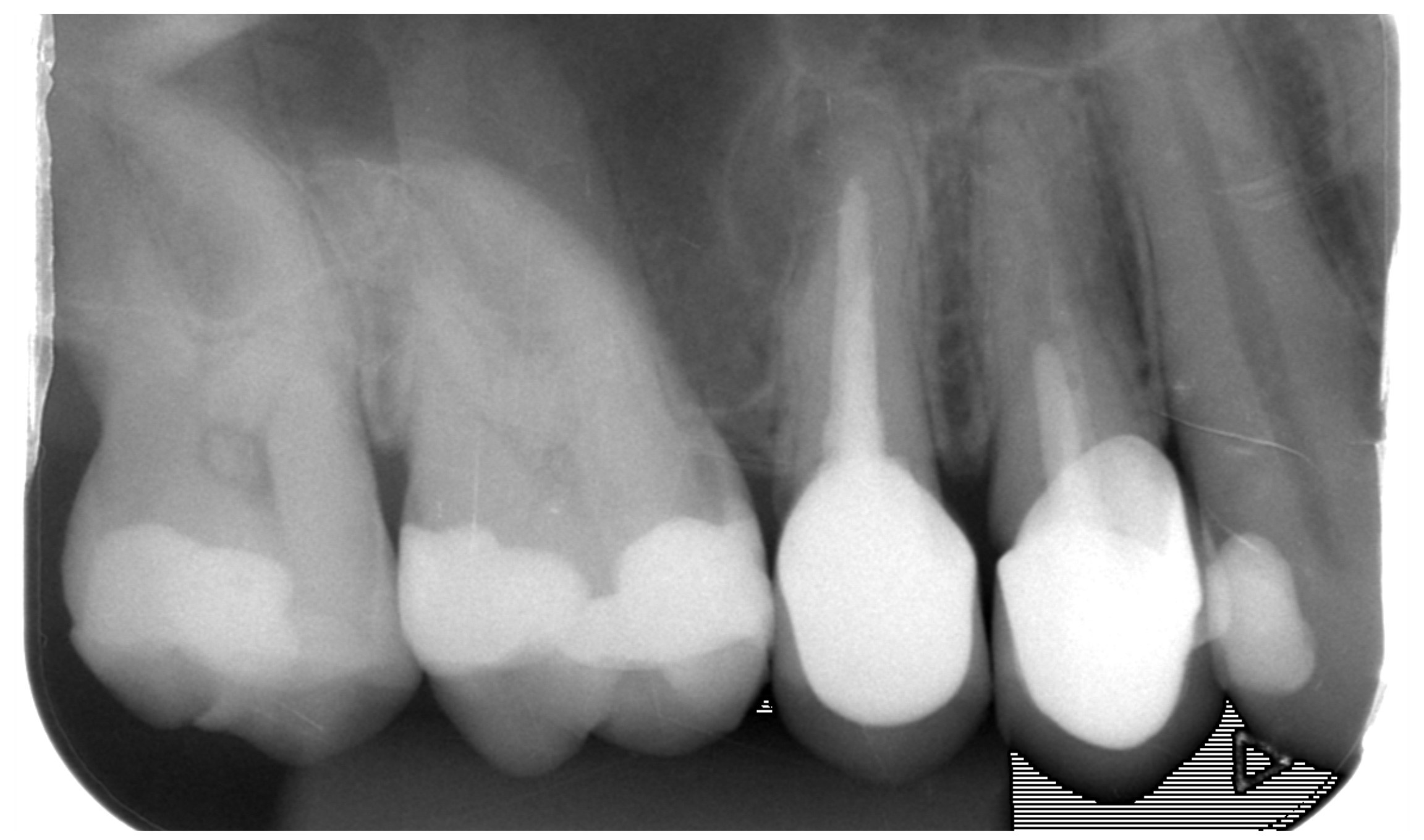
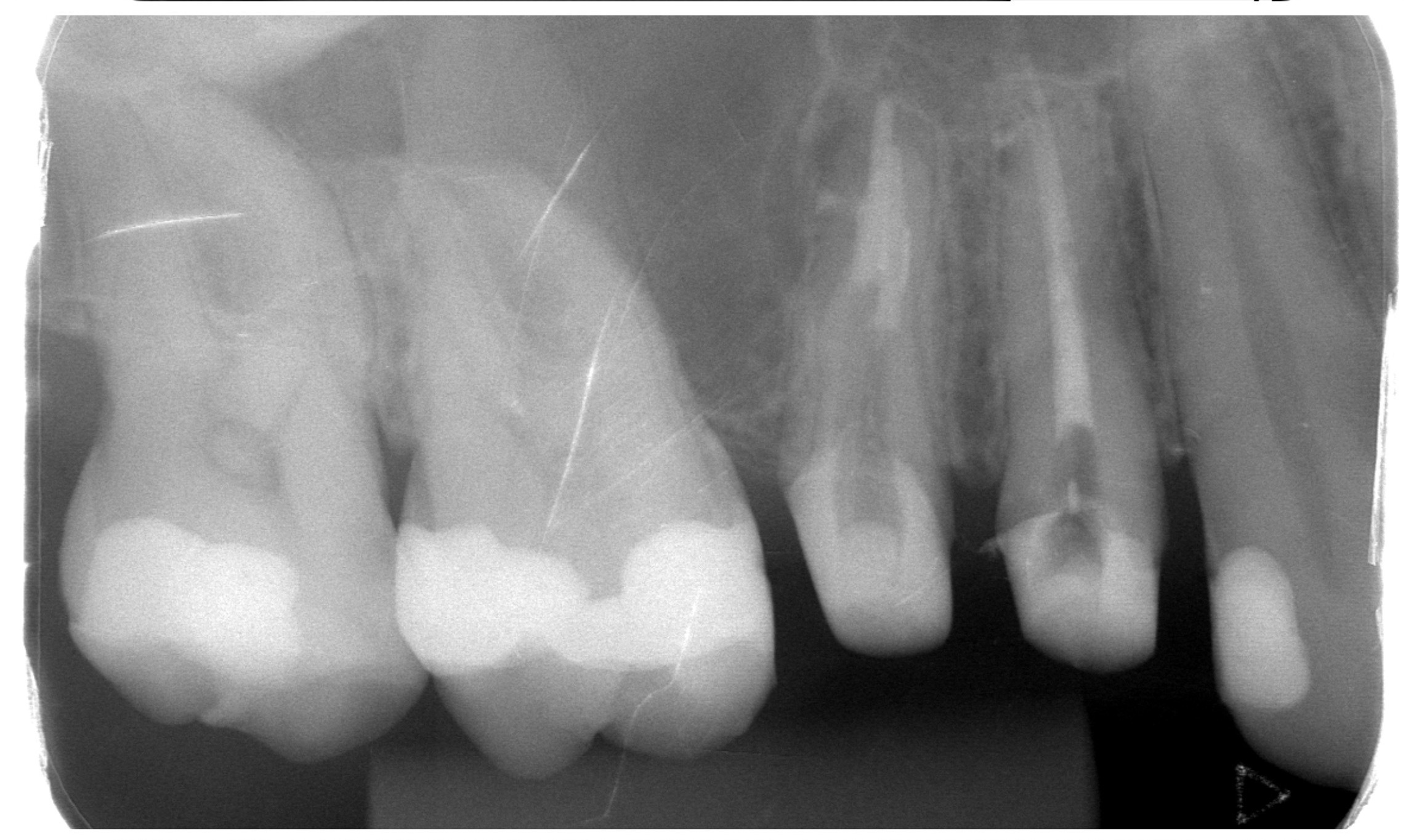
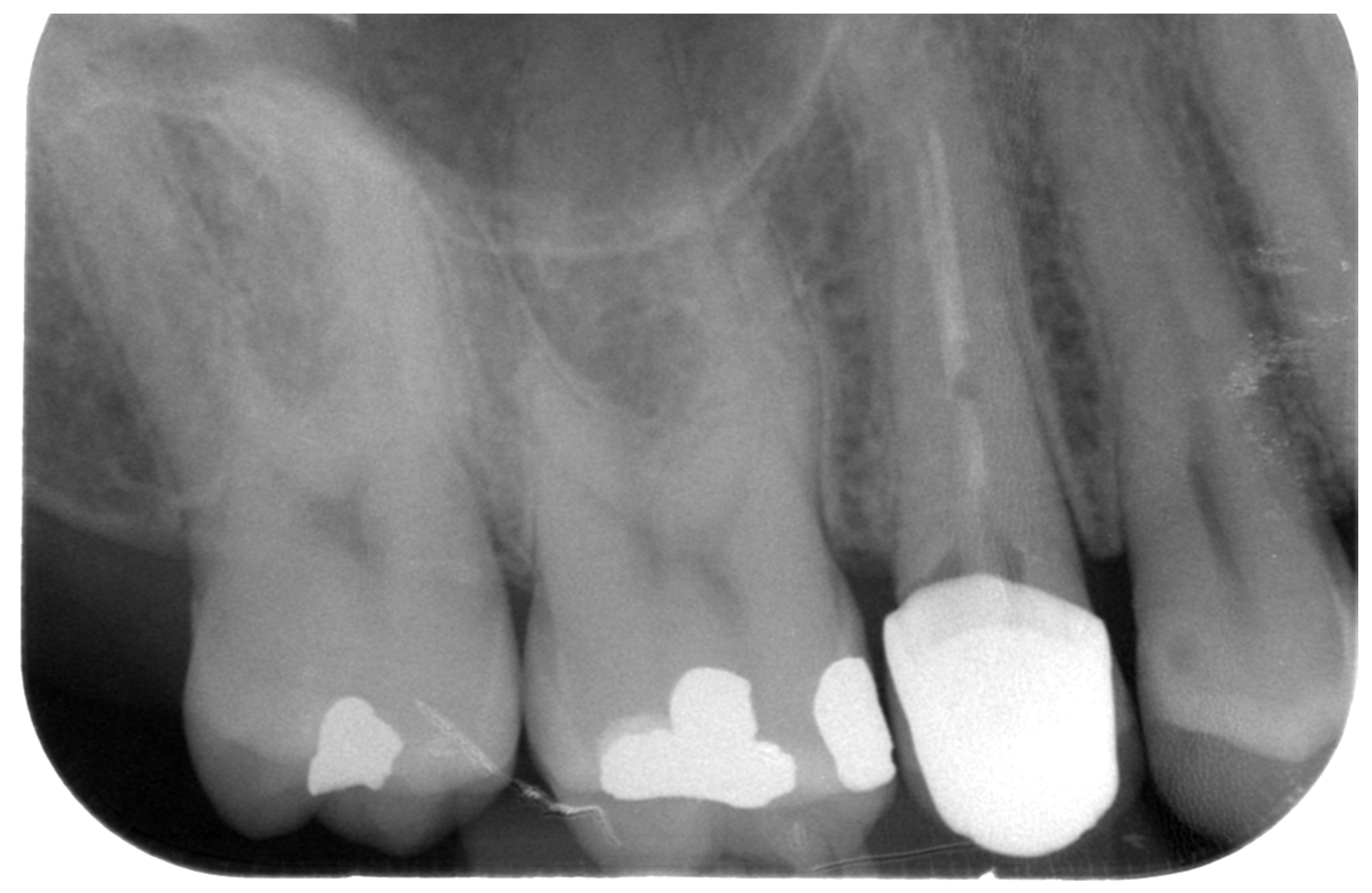
taking X-ray images

3

comprehensive examination of teeth and the entire oral cavity

4

thorough evaluation of patient's medical history

5

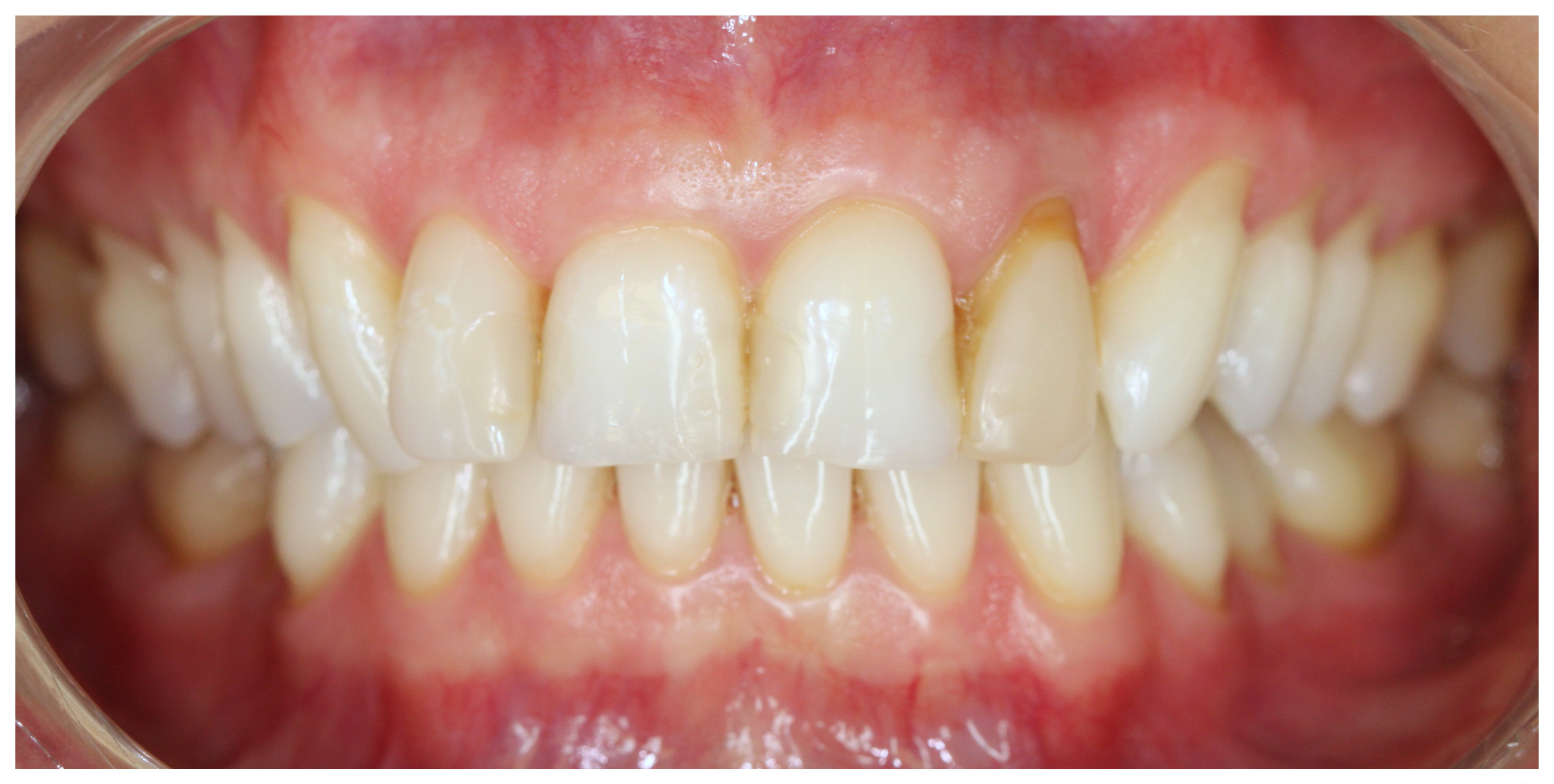
creating photo documentation

6

establishing an individual treatment plan

7

scheduling individual treatment appointments

Smile Factory klinika

Book your treatment
at Smile Factory

We are accepting new patients!

Do you have a preferred treatment time?

Dental glossary

Abrasion

Loss of hard dental tissues caused by external factors (food, tooth brushing, as well as bad habits such as biting hard objects — pencils, etc.)

Abscess

An inflammatory enclosed cavity filled with pus.

Aphthous ulcers

Painful lesions of the mucous membrane of the lips, tongue edges and floor of the oral cavity without a clear cause. Often caused by minor injury, mucosal burns or immune disorders. Treatment is usually symptomatic (application of disinfecting solutions, B vitamins), and they typically heal within a week.

Acute pulpitis

Irreversible inflammation of the dental pulp. A very painful condition where the patient is often unable to precisely identify the affected tooth. It begins with increased sensitivity or pain to cold; gradually the pain becomes spontaneous, without stimulation, and analgesics are effective for a limited time or barely at all. It is always necessary to seek treatment from a dentist and perform endodontic treatment of the tooth, i.e. removal of the inflamed dental pulp under local anaesthesia, mechanical preparation and disinfection of root canals, and their obturation.

Alveolitis

Inflammation of the extraction socket. It occurs most frequently after extraction of lower wisdom teeth.

Amalgam

Amalgam is a filling material that is used very rarely today. It is a metallic alloy containing primarily silver, copper and mercury. Compared to natural tooth structure, it has different physical properties — for example, a different thermal expansion coefficient. This leads to the formation of microcracks that can result in tooth fracture. Long-term stress may also cause deterioration of filling margins, development of gaps, or weakening of surrounding tooth structure, which can lead to secondary decay under the filling.

The disadvantage is also the preparation method — for amalgam to hold in the tooth, it is usually necessary to remove a larger amount of healthy tooth structure. Modern composite fillings, on the other hand, flow into the tooth's microstructure, allowing for a more conservative and aesthetic solution.

Biofilm

Biofilm is a soft bacterial plaque that forms on teeth every day and is the main cause of tooth decay, gum inflammation and periodontitis.

Bite-wing

An X-ray examination that helps detect interproximal cavities or cavities under fillings that are not normally detectable during clinical examination, where 50% or more of cavities can remain undetected. It should be a routine part of preventive check-ups at least once a year.

Bruxism

Unconscious, non-physiological clenching and grinding of teeth during sleep, leading to their excessive wear. Secondary consequences may include temporomandibular joint disorders caused by muscle imbalance and changes in intermaxillary relationships. Stress is a common cause. Therapy includes stress management, a protective splint to prevent excessive tooth wear, and botulinum toxin injections into the masticatory muscles. Complete dental reconstruction with bite raising and adjustment of intermaxillary relationships is often necessary.

Chronic periodontitis

Inflammation of periodontal tissues that develops from untreated pulpitis, chronic tooth irritation, or trauma. It is usually asymptomatic and often discovered incidentally on X-rays as a so-called periapical lesion. When symptomatic, the tooth is sensitive or painful to bite or percussion, and may present with a fistula or swelling. Treatment consists of endodontic root canal therapy.

Calcium hydroxide

A frequently used substance in dentistry with a broad spectrum of effects. Its most widespread use is in provisional root canal treatment, where it serves as a medicinal root canal dressing, and in pulp capping during treatment of deep cavities.

Carcinoma

A malignant tumour originating from epithelial tissue with a very serious prognosis. In the oral cavity, it most commonly affects the tongue, adjacent mucous membranes, and sinus linings.

Dentin hypersensitivity

An unpleasant painful condition that is a common reason for dental visits. Teeth are sensitive particularly to cold, sweet, acidic stimuli, cold air, or during brushing. The cause is exposed dentin with open dentinal tubules, which leads to stimulation of nerve endings. It often occurs with exposed cervical areas or inadequate fillings. Treatment involves either placing a filling or using appropriate toothpastes and mouthwashes containing active ingredients that reduce tooth sensitivity, or applying a protective varnish to the exposed dentin.

Dentin

Also known as dentine. It is a hard dental tissue forming the largest part of the tooth. In the crown portion, it is covered by enamel; on the tooth root, it is covered by cementum. Inside it lies the pulp chamber and root canals containing neurovascular tissue.

Dentitio difficilis

Difficult tooth eruption, particularly of lower third molars — the so-called wisdom teeth.

Dental implants

Replacement of a missing tooth, groups of teeth, or an entire dental arch using dental implants. A dental implant consists of three parts — the fixture (a titanium component placed into the bone), the abutment, and the suprastructure (most commonly a crown).

Endodontics

Root canal treatment — mechanical and chemical preparation of the root canal system and its obturation with gutta-percha and a so-called sealer. The reason for this treatment is inflammation of the dental pulp — pulpitis, or chronic bone inflammation in the root apex area — a periapical lesion.

Extraction

A surgical procedure, removal of a tooth from its socket, performed under local anaesthesia.

Extrusion

Orthodontic or surgical movement of a tooth outward from its socket. The reason for this type of treatment is insufficient healthy tooth structure caused by either extensive decay or an unfavourable tooth fracture, which often extends below the bone level, in order to restore the crown portion.

Etching

Essential preparation of hard dental tissues for bonding of photocomposite materials. A 35–37% orthophosphoric acid is used.

Fixed orthodontic appliance

Braces — orthodontic brackets cemented to the tooth surface throughout the orthodontic treatment. They are commonly bonded on the buccal (outer) side; in recent years, lingual bracket systems have also been developed — such braces are virtually invisible.

Frenulectomy

A surgical procedure performed under local anaesthesia in which the labial frenum is removed.

GBT (Guided Biofilm Therapy)

At our clinic, we follow the Guided Biofilm Therapy (GBT) concept, a modern, evidence-based dental hygiene protocol that targets the actual cause of most oral problems — dental biofilm. Unlike the traditional approach, which focuses primarily on tartar removal, GBT first makes the biofilm visible using a special disclosing solution. This allows us to precisely locate it and remove it gently and effectively using modern Airflow technology. Only then do we remove any tartar in a minimally invasive manner. The treatment is thus more thorough, more comfortable, and gentler on teeth and gums.

This approach enables us to work precisely, prevent unnecessary sensitivity, and achieve longer-lasting results. The method is also suitable for patients with implants, braces, or sensitive teeth. Our goal is not just to clean teeth, but to maintain a healthy and stable smile long-term.

Gingivectomy

Surgical removal of overgrown gingiva using a scalpel, high-frequency current, or a special bur under local anaesthesia, often performed during prosthetic treatment or for cavities extending deep below the gum line. A common cause of gum overgrowth, besides inflammation, is the effect of certain medications.

Gingivitis

Inflammation of the gums caused by inadequate oral hygiene. It manifests as swelling and bleeding of the gums and their increased sensitivity or soreness. Treatment requires improved dental hygiene and the use of appropriate oral hygiene aids.

Gutta-percha

A natural material related to rubber. In the form of gutta-percha points, it is used for root canal obturation.

Geographic tongue / Glossitis migrans

A condition of the tongue mucosa presenting as migrating reddish patches with whitish borders, subjectively painless or possibly causing burning during eating or drinking. Familial occurrence is common. It does not require treatment.

Gingival recession

Exposure of hard dental tissues in the cervical area of the tooth that are normally covered by gingiva. To some extent, this occurs naturally in adulthood and old age due to physiological atrophy of the periodontium, but no more than 2–3 mm. Non-physiological causes include periodontitis, improper brushing technique with a hard toothbrush, gum injury, high frenum attachment, and others. It is often accompanied by increased sensitivity of the exposed cervical areas.

Hyperdontia

An increased number of teeth. Supernumerary teeth most commonly occur between the upper central incisors — the so-called mesiodens — or as fourth molars.

Hypodontia

A reduced number of teeth caused by failure of tooth germ development. It most commonly affects wisdom teeth, upper lateral incisors, and second lower premolars.

Incision

Cutting through soft tissues with a scalpel, laser, or high-frequency current.

Invisalign clear aligners

Invisalign aligners work on the principle of a series of clear trays that are gradually changed as the teeth shift until proper tooth alignment is achieved. During important meetings or before meals, the aligners can simply be removed. The number of trays depends on the severity of the orthodontic issue — minor adjustments may require as few as 20 aligners, while complex movements may need up to 100.

Junctional Epithelium

A specialized band of epithelial cells that attaches the gingiva (gum) to the tooth surface. It acts as a critical biological barrier between the oral cavity—which is full of bacteria—and the underlying periodontal tissues. A healthy junctional epithelium is vital for preventing the progression of gum disease and maintaining the attachment of the tooth to the jawbone.

Keratinized Gingiva

The firm, pink tissue that surrounds the teeth and covers the alveolar bone. Unlike the soft, movable lining mucosa, keratinized gingiva is tougher and more resistant to mechanical forces (like brushing or chewing). Having a sufficient amount of "keratinized" tissue is a key indicator of periodontal health and is often essential for the long-term success of dental implants.

Leukoplakia

A white patch on the mucosa that cannot be wiped off, usually without subjective symptoms. The cause is unknown; it often involves a combination of chronic mechanical, thermal, or chemical irritation. Smoking plays a significant role. It frequently occurs as a precancerous condition. Excision with histopathological examination is necessary.

Local anaesthesia

Local numbing of the treatment area. The most widely used anaesthetic is articaine or mepivacaine. It wears off, depending on the dose used, within two hours of application.

Mandibular anaesthesia

A nerve block anaesthesia of the mandibular nerve. After its application, unilateral numbing of the teeth and tissues of the lower jaw and tongue occurs.

Neuralgia

Sudden, paroxysmal, severe pain in the area innervated by a peripheral nerve; in the face, it primarily affects the trigeminal nerve — nervus trigeminus.

OPG (Orthopantomogram)

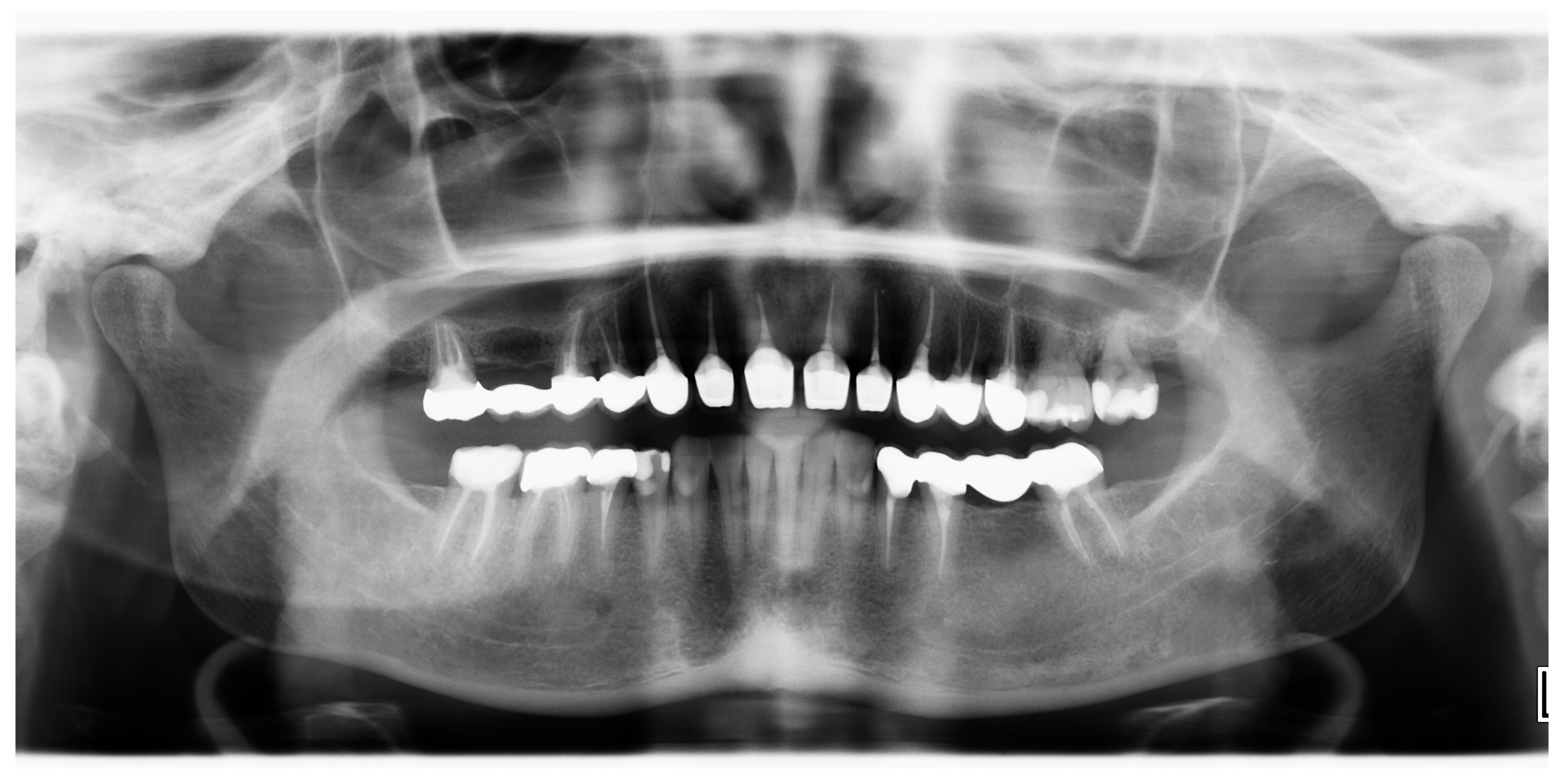
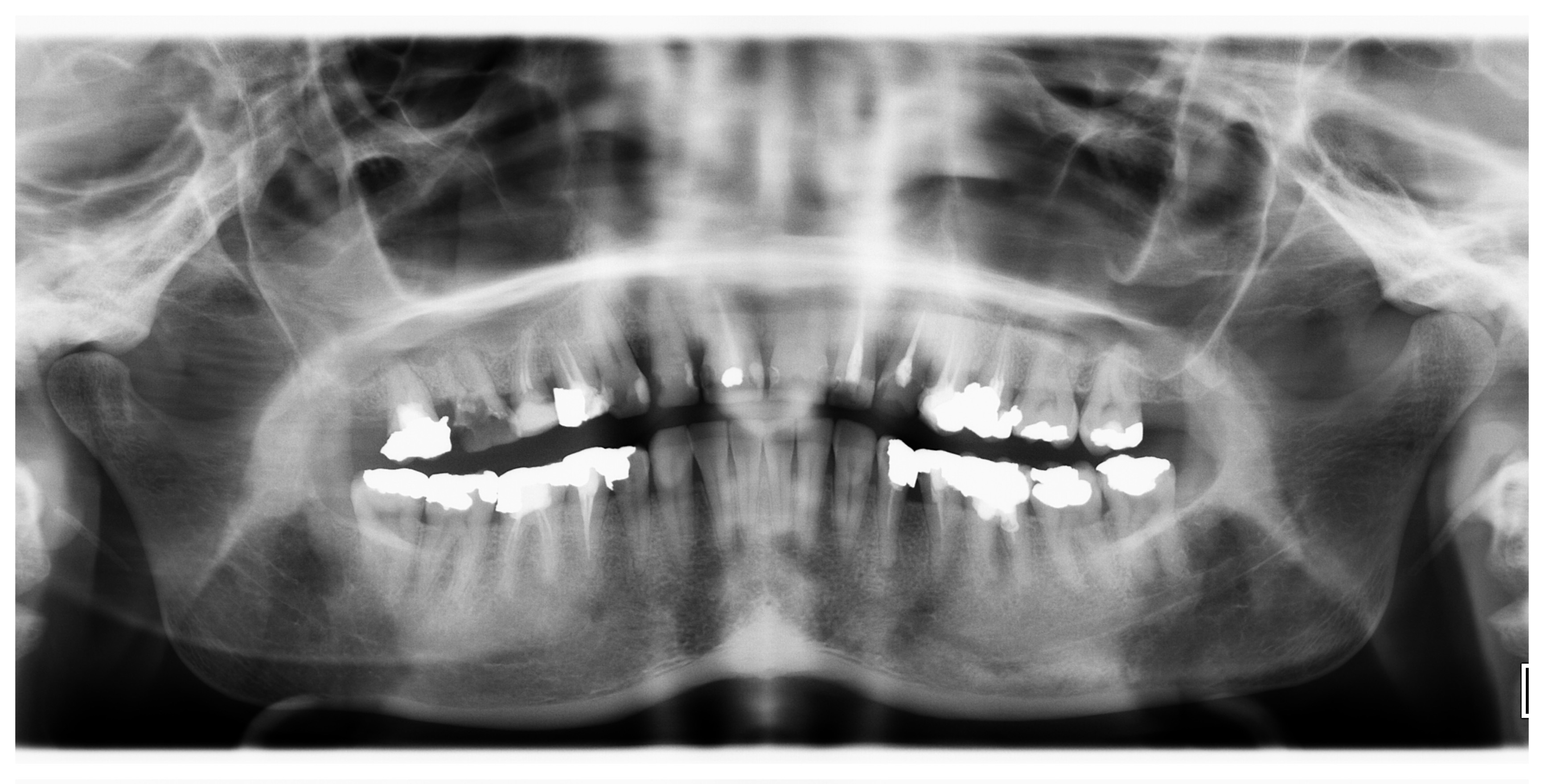
An OPG is an X-ray image showing the entire upper and lower jaw. It provides a detailed overview not only of dental cavities and tooth positions but also of the sinuses, temporomandibular joints, cysts, tumours, fractures, and other potential abnormalities.

Orthodontics

A branch of dentistry dealing with the prevention, diagnosis, and therapy of orthodontic jaw and dental anomalies, i.e. anomalies in the number, position, and inclination of individual teeth, groups of teeth, and jaw bones. It often requires an interdisciplinary approach.

Pulp gangrene

Infected necrosis of the pulp; the tooth emits a foul odour when opened. Endodontic root canal treatment is essential, or extraction of the affected tooth.

Periodontal curettage

Cleaning the root surface of plaque, tartar, and infected cementum using special curettes during periodontitis treatment. This type of treatment requires precise execution, which directly determines the success of the therapy.

Pulp necrosis

Death of the dental pulp caused by decay, trauma, chronic irritation, or traumatisation during tooth preparation. Treatment is endodontic root canal therapy.

Quadrant Dentistry

A clinical workflow concept where an entire jaw (or a specific quadrant) is treated during a single appointment. This approach is standard practice in efficient restorative dentistry, as it minimizes the number of required local anesthesia administrations, saves the patient's time, and optimizes the clinic's operational efficiency.

Rubber dam

An elastic membrane used to ensure an absolutely dry working field, i.e. isolating the treated teeth from the oral cavity environment. It is attached to the teeth using a rubber dam clamp and frame, and possibly other accessories.

Scaling

The essential process of removing dental plaque and calculus (tartar) from the surface of the teeth, both above and below the gum line. Scaling is the foundational step in professional dental hygiene and periodontal therapy, critical for preventing gingivitis and periodontitis.

3D X-ray

A 3D X-ray is a modern radiographic examination that displays teeth and jaws in three dimensions. Compared to conventional X-rays, it provides much more precise and detailed information.

The examination is quick, painless, and takes just a few seconds. It is used, for example, in implant planning, surgical procedures, or in solving more complex cases where precise diagnostics are needed, such as endodontic treatment.

Teeth whitening

A technique for lightening the shade of a patient's natural teeth. Active substances used are peroxide-based gels — hydrogen peroxide, carbamide peroxide, sodium perborate, etc. The principle is the breakdown of complex chemical compounds causing tooth discolouration into simpler, lighter chemical compounds.

It can be external (in-office/at-home) or internal (whitening of teeth discoloured after endodontic treatment or dental injuries).

Ultrasonic Scaler

A specialized dental instrument that uses high-frequency sound waves to vibrate a metal tip. This vibration, combined with a continuous water spray, allows for the efficient and comfortable removal of heavy dental calculus (tartar) and plaque from the teeth and below the gum line.

Veneer

Veneers are ultra-thin, custom-made shells—typically crafted from high-quality dental ceramic—that are bonded to the front surface of your natural teeth. They are one of the most effective and minimally invasive solutions in aesthetic dentistry for transforming a smile.

Wedge-shaped defects

Defects of hard dental tissues in the cervical area of the tooth with a wedge shape. They are caused by overloading of the affected tooth due to irregular tooth position and bite, leading to chipping of enamel and dentin. Therapy consists of bite adjustment and, if needed, covering the defect with a photocomposite filling material.

Wax-up

It is a critical diagnostic and treatment planning procedure in restorative and aesthetic dentistry. It involves creating a precise 3D model of the patient's desired final dental result using dental wax, typically built upon a stone or digital replica of the patient's current dentition.

X-ray

A diagnostic imaging technique that uses a controlled, low-dose beam of electromagnetic radiation to capture detailed images of the internal structures of the teeth, jawbone, and surrounding oral tissues.

Yield Strength

A critical mechanical property of dental materials (such as alloys used for crowns or frameworks). It defines the amount of stress a material can withstand before it begins to undergo permanent deformation. High yield strength is a hallmark of durable, high-quality dental restorations.

Zirconia (Zirconium Dioxide)

A high-performance, biocompatible ceramic material that has become the gold standard in modern restorative dentistry. Unlike traditional porcelain-fused-to-metal crowns, Zirconia is completely metal-free. It is highly valued for its exceptional fracture resistance, durability, and natural translucency, which allows it to mimic the light-reflecting properties of natural enamel.

A dental clinic right in the centre of Brno

Palác Chlumeckých, Jakubská 156/2

Zobrazit na mapě

Parking within 100 m

Public parking available on Besední/Skrytá street or on Rooseveltova street near the Janáček Theatre.

Closed today